


Nationwide protests have swept Iran in recent weeks, prompting a heavy-handed response from authorities. A U.S.-based human rights group reported that at least 544 people have been killed in the ongoing mass protests.
The Human Rights Activists News Agency, which cross-checks information from local activists, also stated that more than 10,681 individuals have been arrested since the protests began. The group expressed concerns that the actual death toll could be far higher.
What began as a protest by Tehran’s bazaaris over a sudden depreciation of the country’s currency on December 28 rapidly became the biggest challenge against the Iranian regime since the 2022 mass protests, widely known as the “Woman, Life, Freedom” movement.
Protesters have been taking to the streets of Iran, defying the escalating crackdown, videos that trickle out of the country despite days of a near-total internet shutdown show. Activists and exile-based TV stations, quoting eyewitnesses and medical sources, reported that security forces launched a brutal assault using live ammunition and pellet gunfire.
On Saturday, January 10, a video began circulating online showing what was described as bodies of protesters in a makeshift morgue at Kahrizak, site of the Forensic Diagnostic and Laboratory Centre of Tehran Province.

A day later, more videos emerged from what appeared to be the same site. The new batch of videos were published on social media accounts of Vahid Online, a prominent Iranian internet activist known for documenting protests mainly through footage he receives directly from Iranian demonstrators.
Eurovision News Spotlight contacted Vahid Online, who said the individual that shared the videos told him they had received them from a friend. It remains unclear whether that person filmed the videos themselves and was seeking to remain anonymous, or was indeed distributing on behalf of someone else.

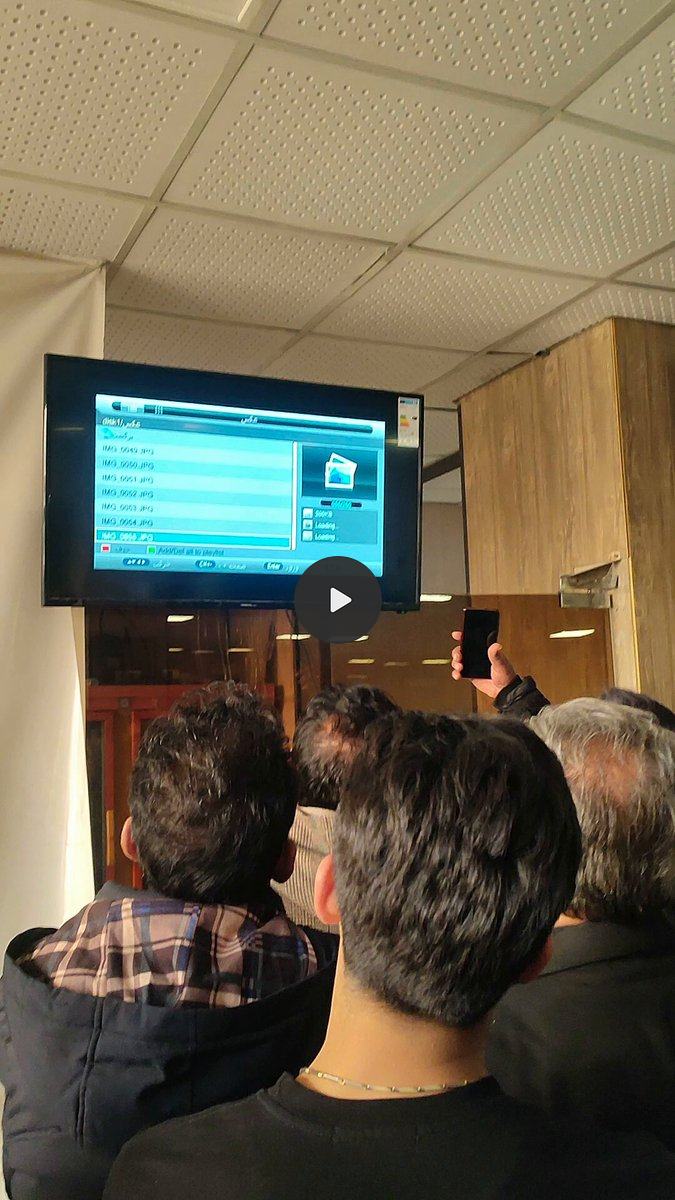
The caption accompanying the videos reads (Farsi): “Twelve videos received with the following description: These videos are of those killed on Thursday, January 8, Kahrizak Forensic Medicine Centre in Tehran. Someone who has recently managed to leave Iran brought them out. The bodies are brought in by pickup trucks. People are told to look through them and find their own relatives’ bodies.”
Vahid Online adds: “In the first video, the monitor showing the photos has text underneath them saying “Photo number XX out of 250”. The date January 9 can also be seen on each photo.”
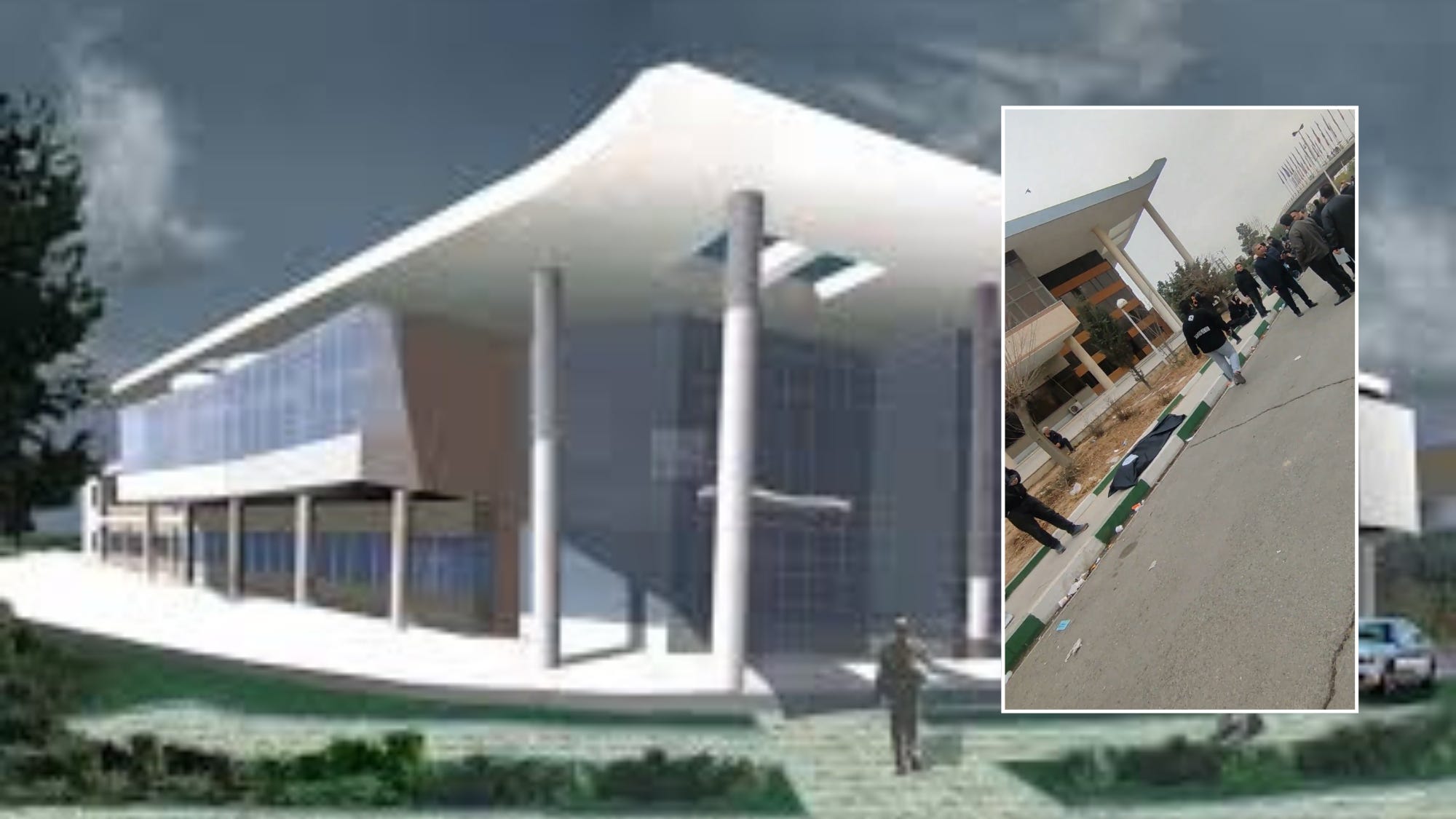
In the first video a voice can be heard, making an announcement through a loudspeaker calling for the ‘relatives’ of someone believed to be a deceased person. The videos then proceed to show the exterior of the building where families have gathered. An architectural rendering of Kahrizak Forensic Medicine Centre matches what we can see of the building.
The voice of a man can be heard at 1:51 saying in Farsi “What was he/she wearing?”, suggesting families were looking for their loved ones amongst the bodies.
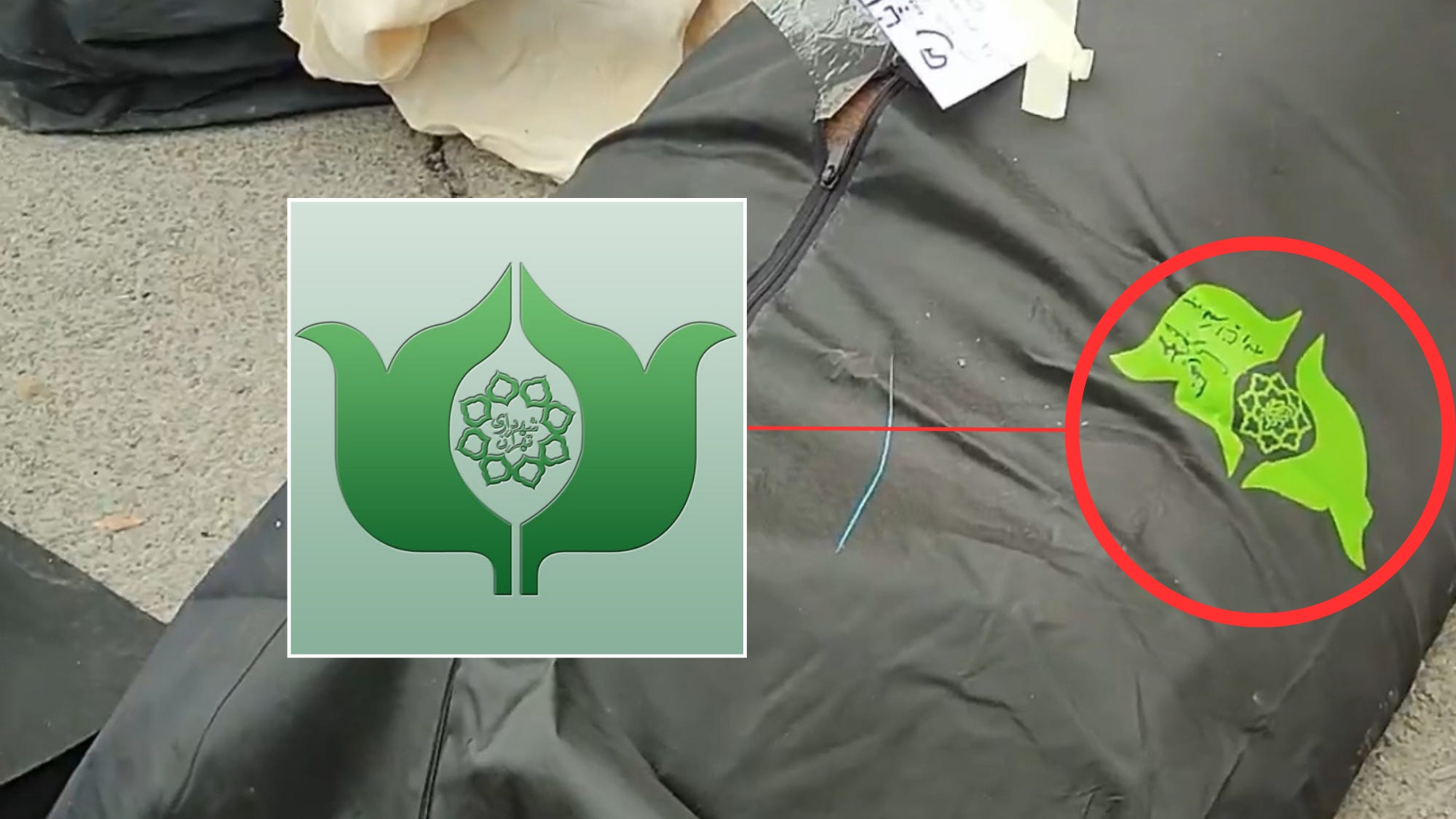
A green logo on one of the body bags resembles that of Tehran’s main cemetery, Behesht-e-Zahra, which operates under the city municipality.
The release of the videos shocked Iranian social media users. Iranian authorities do not allow mobile phones inside sites they deem to be security facilities, and in previous protest waves, have at times reportedly withheld the bodies of killed demonstrators from their families — a practice rights groups say was intended to prevent funerals from sparking further rallies.
Once the videos surfaced, Iranian state TV, IRIB, broadcast a report on Sunday described as showing scenes from the forensic medicine centre. The reporter mainly blamed “rioters” for the killings, and added that “perhaps among these are people who were trying to confront security forces” but the majority are “normal people”.

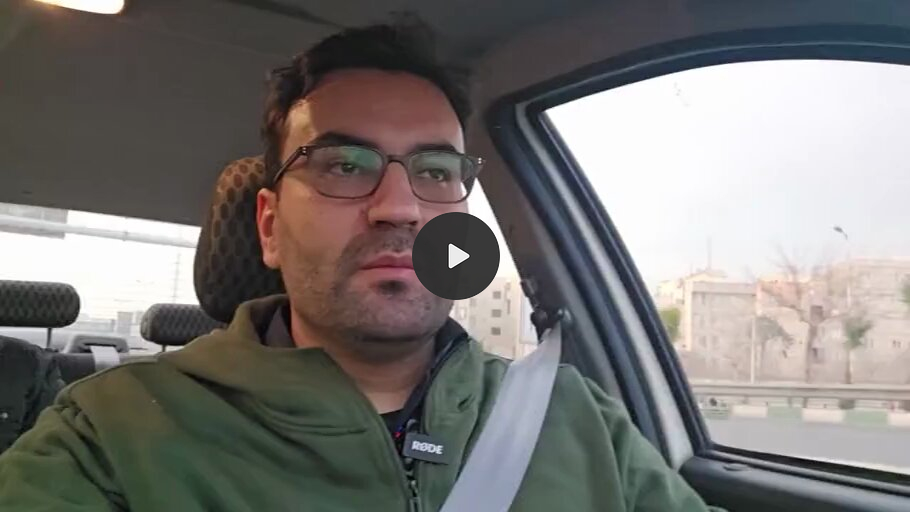
On January 12, further images and videos emerged from what was described as the Kahrizak site.
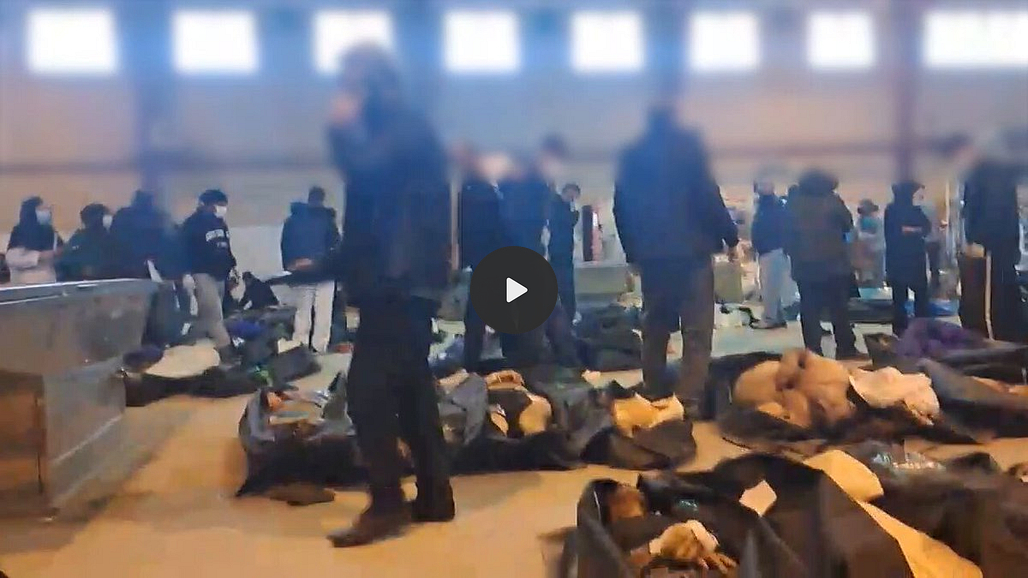


One of the photos matched the same site that was seen on the IRIB report.
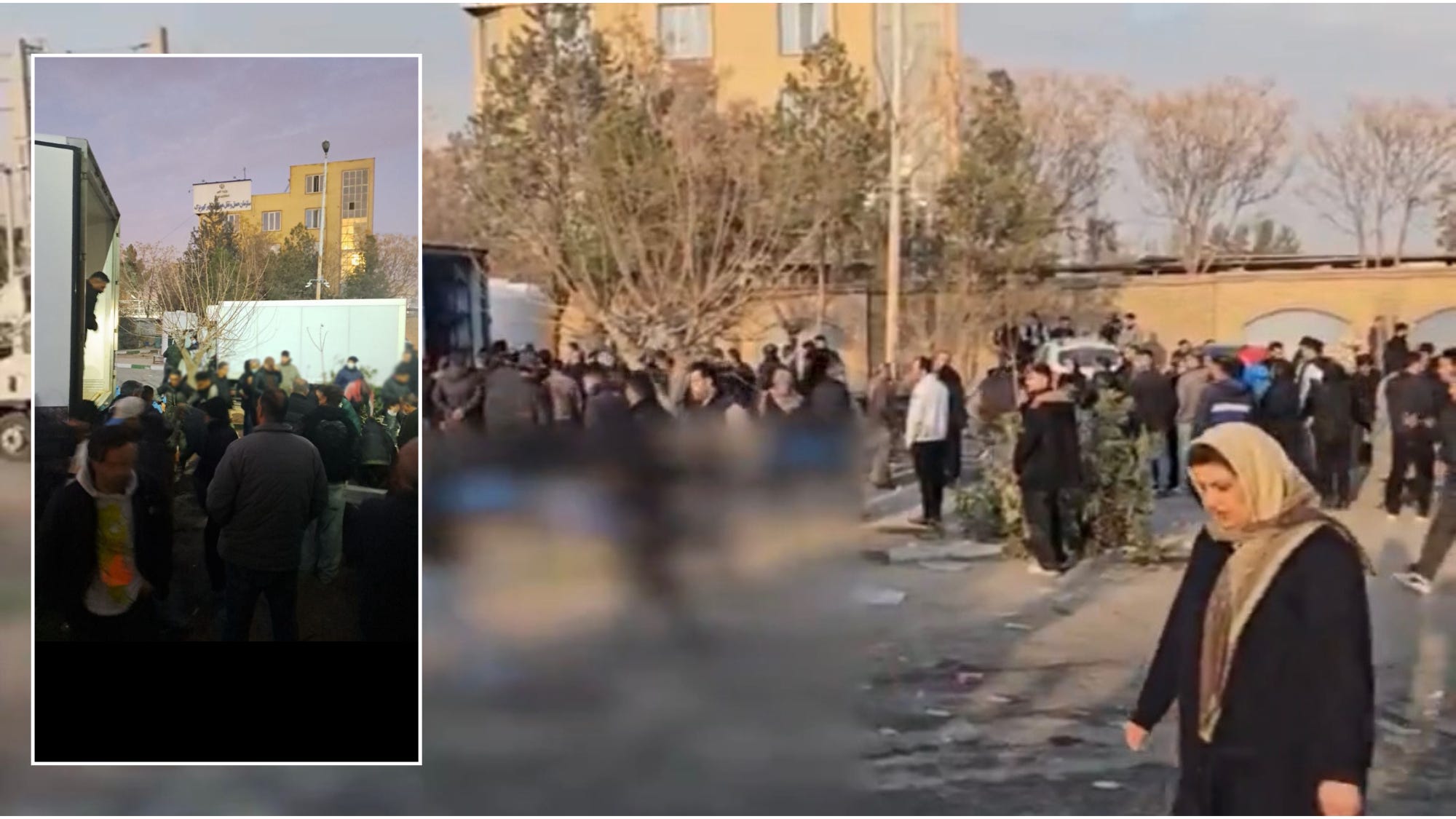
A caption accompanying the video explained: “These images are from Kahrizak, taken on Saturday, January 10, 2026. Sent via Starlink by a friend who went there to identify relatives.”
Eurovision News Spotlight has heard two verified voice messages and a written text sent from eyewitnesses in Tehran describing large-scale protests attended by people from various segments of society. Eyewitnesses described a brutal crackdown on protesters and scenes of heavy clashes.
On Monday, Iran’s foreign minister claimed that “the situation has come under total control”, while state television showed images of the establishment’s supporters rallying toward Enghelab Square in the capital — a common move by authorities to signal domestic backing.

SOURCES
X (formerly Twitter). (2026). Available at: Presence of the families of the deceased for identification of the bodies at the Kahrizak Forensic Medical Center in Tehran. [Accessed 12 Jan. 2026].
X (formerly Twitter). (2026). Available at: WARNING: DISTURBING CONTENT
12 received videos with this description… [Accessed 12 Jan. 2026].X (formerly Twitter). (2026). Available at: Received images along with the above video with description… [Accessed 12 Jan. 2026].
X (formerly Twitter). (2026). Available at: Warning: Graphic Images Iranian media today published images from the #Kahrizak forensic facility… [Accessed 12 Jan. 2026].
X (formerly Twitter). (2026). Available at: WARNING: DISTURBING CONTENT
Received videos showing bodies, with this description… [Accessed 12 Jan. 2026].